If you love nature, the area around Nibe has a lot of beautiful nature sites and great opportunities for a hike or wonderful experiences in the outdoors...

Back to nature in Nibe
The Himmerland Heaths
The area around Lundby and St. Ajstrup is called The Himmerland Heaths. These heaths stretch from Vindblæs Heath, through Oudrup and Lundby Heaths to St. Ajstrup, and covers some 925 hectares.
In the eastern parts of the area you can find the Kyø valley with steep heather and juniper dressed hills and on Skørbæk Heath you can see the site of a village or settlement from the Iron Age.
Vokslev Kalkgrav
Have you ever found a fossilized sea urchin? This is a question that many people can answer ‘yes’ to. But have you ever found the spines of a sea urchin? Or a stalk of a sea lily? To these questions a lot less people will be able to answer ‘yes’. And even fewer people are able to say that they have seen the geological layers that were formed during the time when most dinosaurs became extinct. If you are fascinated by fossils or just excited about finding traces of animal life from more than a million years ago, you should know that one of the few places in Denmark, where you can see these layers is at Vokslev Kalkgrav - a lime stone quarry just north of Nibe.
Visit the mini museum for more info
If you would like to know more, feel free to visit the mini museum arranged in the building by the road. The museum holds tools and pictures from the time where the chalk plant was running. The high usage of chalk in the making of mortar and whiting made Vokslev Chalk Plant a lucrative business for a long time. The pamphlet can be found at InfoCenter Nibe.
Halkær Mølle Nature Center
At Halkær Mølle Nature Center, young and old alike can go exploring back in time through practical work with craftmanship, needlework and much more. Also find out how a watermille works - from the inside!
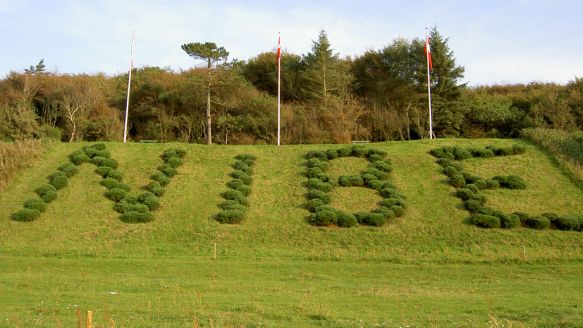
Nibe - the pleasant market town
Experience market town charm, cobblestoned streets and cosy squares in the old fishing town, Nibe...